



The Science Behind Sports Bra Design: Get the Perfect Fit
Overview
Choosing the right sports bra is essential for comfort and performance during physical activities. A well-designed bra provides necessary support, reduces movement-related discomfort, and can prevent long-term damage to breast tissue. There are two main types: compression bras for smaller busts and low to medium-impact activities, and encapsulation bras for larger busts and high-impact sports. Key features to consider include fabric technology, strap design, closure types, and support levels. Proper fit is crucial, as is care for longevity. As technology advances, sports bras will continue to evolve, enhancing support and comfort for all women.
Frequently Asked Questions
1. Why is a well-designed sports bra important for women?
2. What are the main types of sports bras?
3. What key features should I look for in a sports bra?
4. How can I find my ideal sports bra size?
5. How should I care for my sports bra to ensure its longevity?
When it comes to participating in sports and physical activities, having the right attire is crucial, and one of the most vital pieces of equipment is the sports bra. Women understand that choosing the right sports bra can significantly enhance their comfort and performance. However, the intricacies of sports bra design often go unnoticed. In this blog post, we will delve into the fascinating science behind sports bra design and the different features that ensure maximum support and comfort for various sports activities.
The Importance of a Well-Designed Sports Bra
Many women underestimate the importance of a well-fitted sports bra. The wrong bra can lead to discomfort, pain during exercise, and even long-term damage to breast tissue. During physical activities, breasts can move in multiple directions, and without adequate support, this movement can lead to soreness and inefficiency in performance. A well-designed sports bra stabilises this movement, allowing for better focus and improved results.
Understanding Breast Anatomy and Movement
To appreciate the science behind sports bra design, it's essential to understand how breasts function during exercise. Breasts consist mainly of adipose (fat) tissue and are supported internally by connective tissue known as Cooper's ligaments. While some movement is natural, excessive motion can weaken these ligaments over time. Research has shown that certain activities, like running or high-impact sports, can cause breasts to bounce significantly — sometimes up to 14 centimetres. This movement can cause discomfort and strain on the body.
The Role of Compression and Encapsulation
There are two main types of sports bras: compression bras and encapsulation bras. Each design serves a unique purpose, and understanding these differences will help you choose the right one for your activity.
- Compression Sports Bras: These bras compress the breasts against the chest wall, restricting movement. They are typically best for smaller bust sizes and are effective for low to medium-impact activities like yoga or cycling.
- Encapsulation Sports Bras: These bras feature individual cups that support each breast separately. They are great for larger bust sizes and provide the support needed for high-impact activities such as running or aerobics. An underwired sports bra falls into this category, offering additional lift and separation for enhanced support.
Key Design Features of Sports Bras
When considering sports bra design, several key features contribute to optimal support and functionality:
Fabric Technology
The materials used in sports bras significantly affect their performance. High-tech synthetic fabrics, such as polyester and nylon, are often employed for their moisture-wicking properties. These fabrics draw sweat away from the skin, keeping you dry and comfortable during workouts. Breathable fabrics also allow for airflow, reducing the risk of overheating.
Strap Design
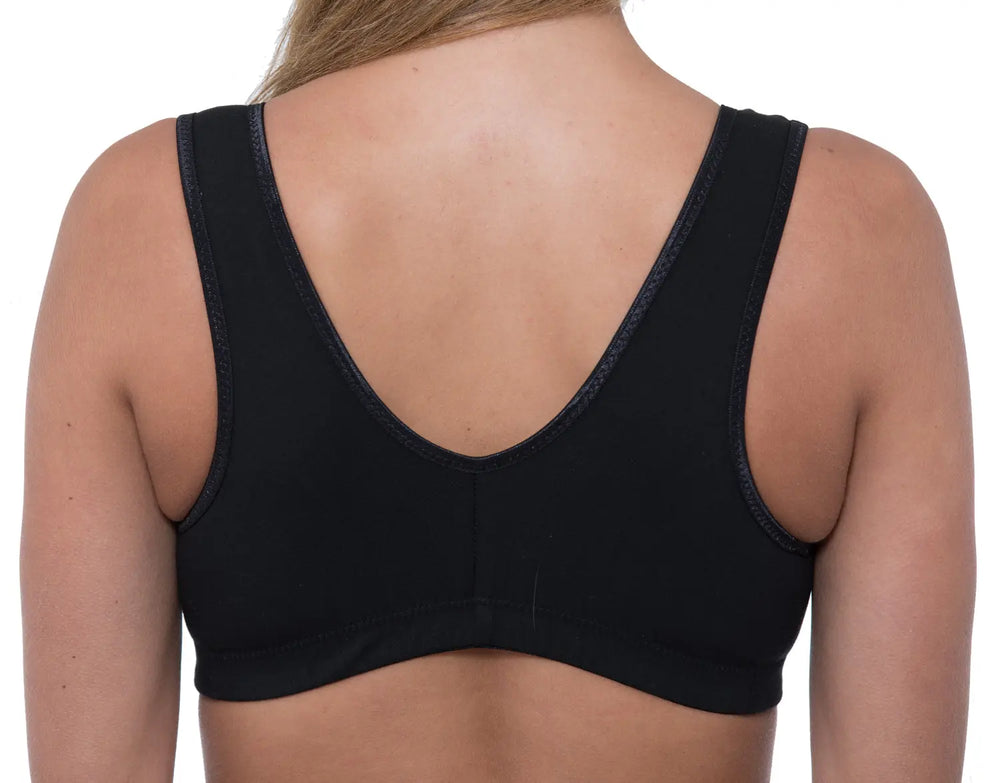
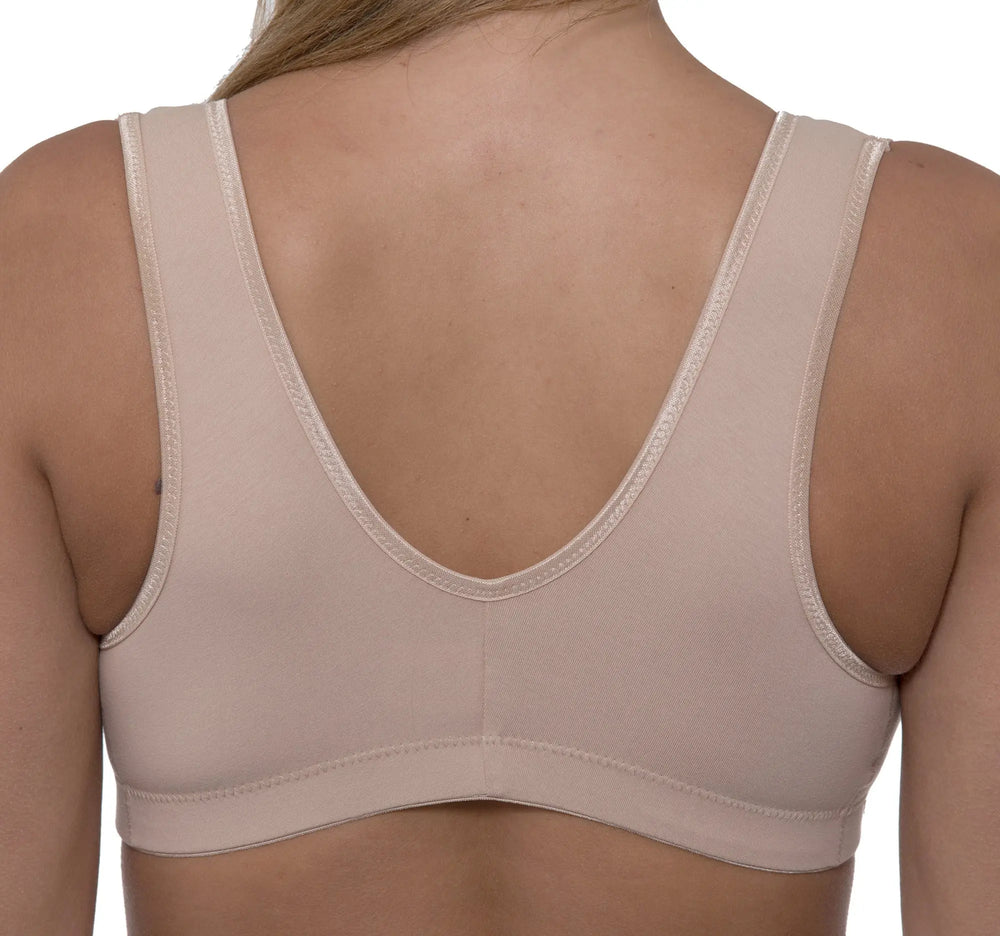
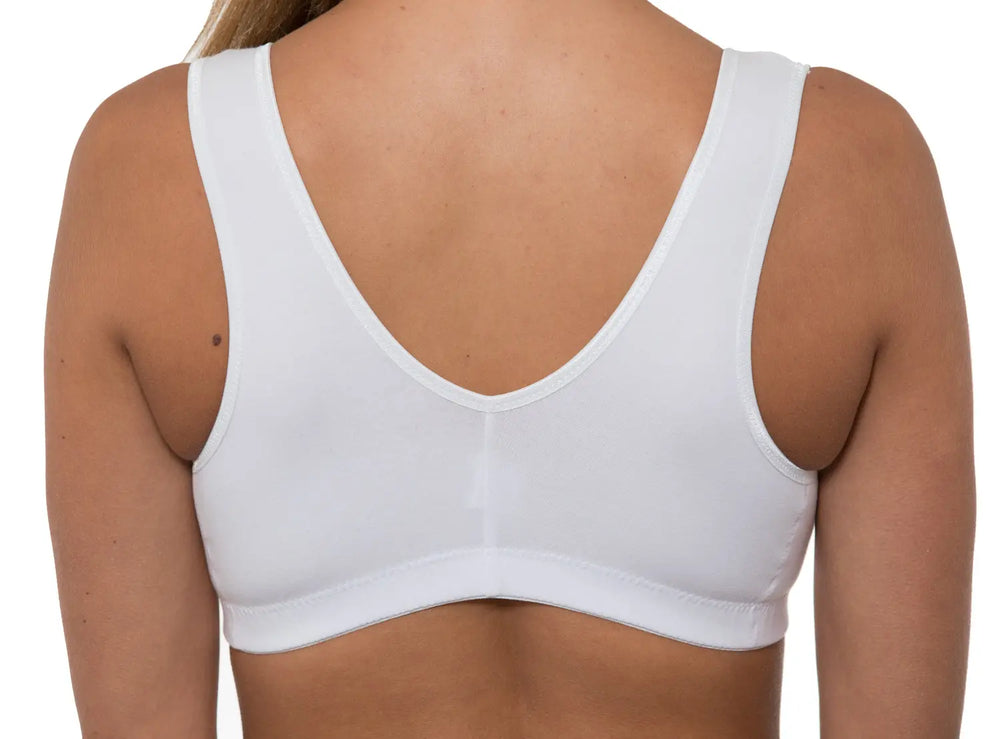
The design of the straps is another critical factor. Wide, padded straps distribute weight evenly across the shoulders, helping prevent digging and discomfort. Adjustable straps allow for a customised fit, ensuring the bra stays in place no matter the activity. Racerback designs can offer additional support and freedom of movement, making them particularly popular for running sports bras.
Closure Types
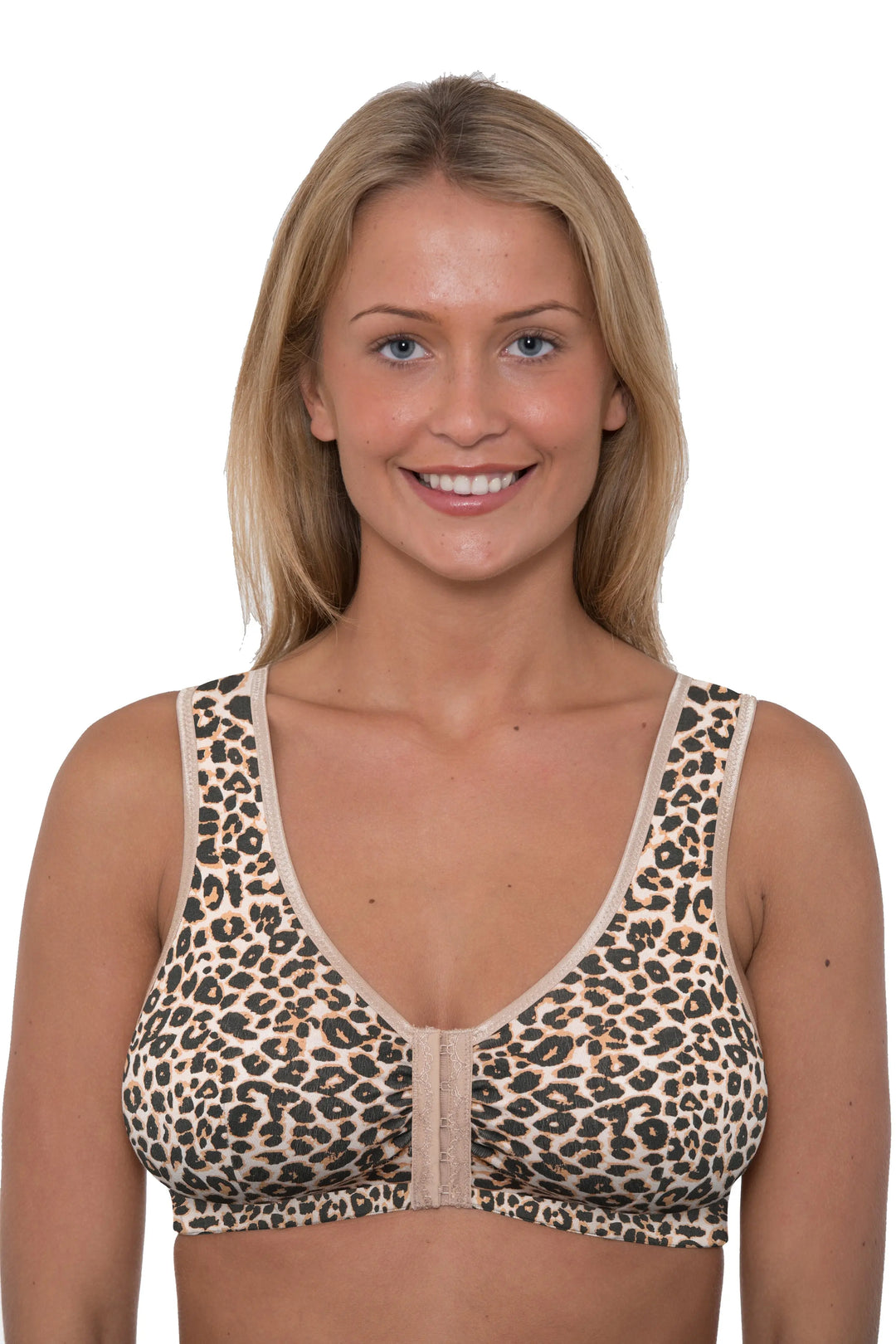
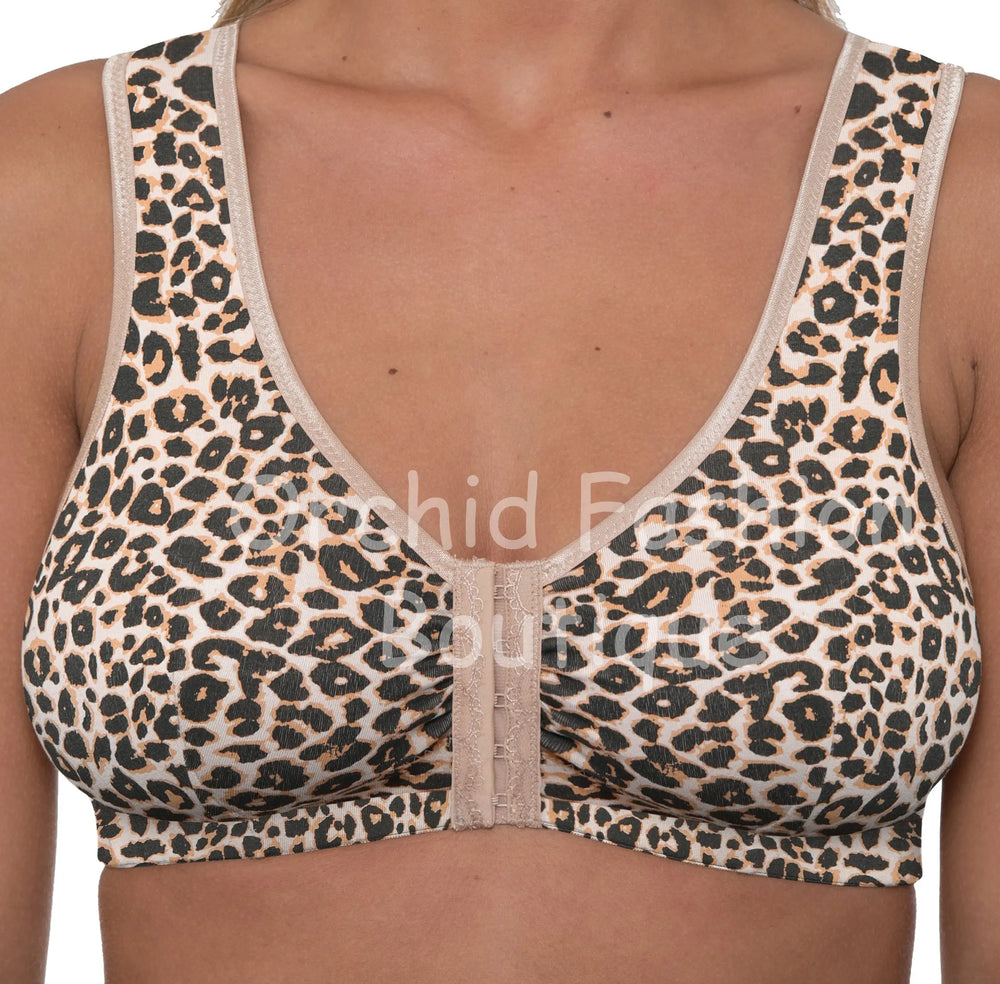
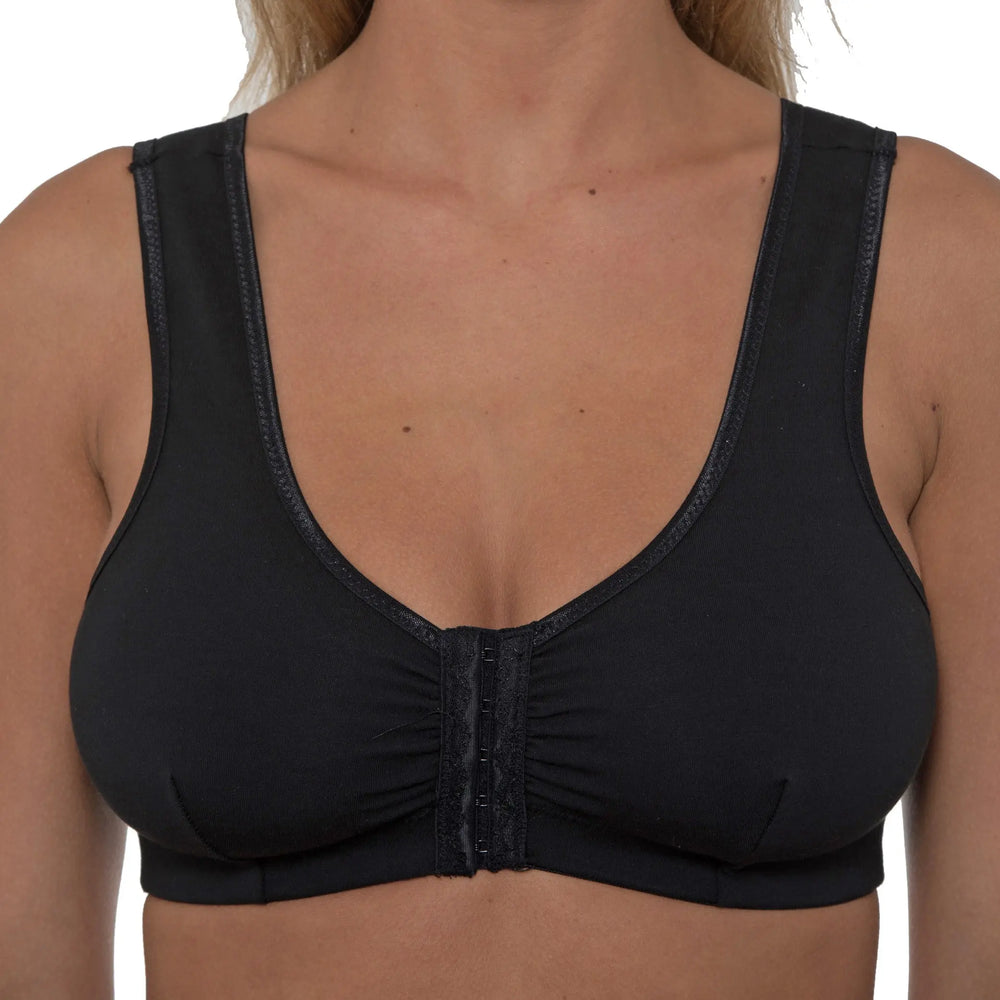
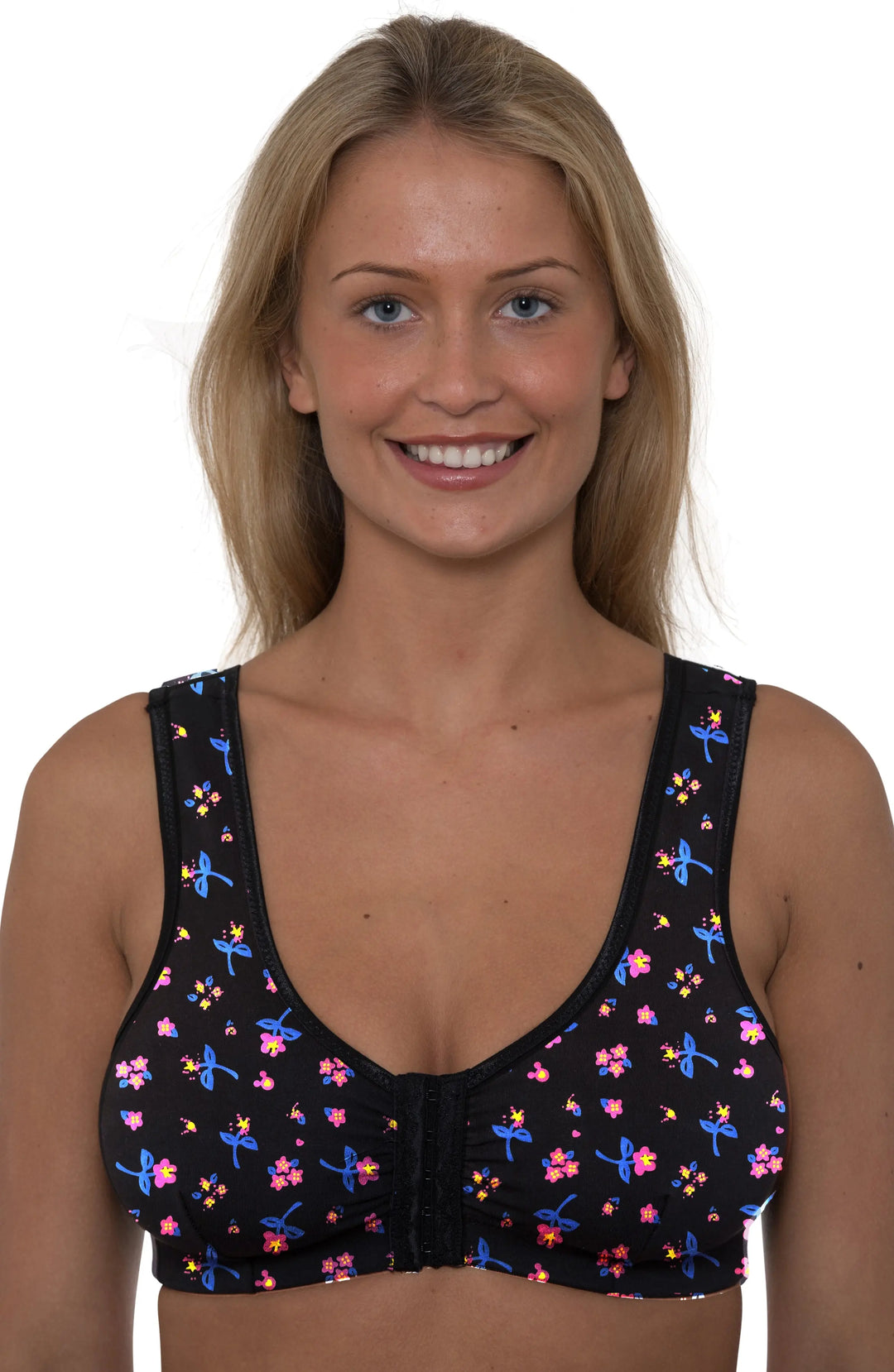
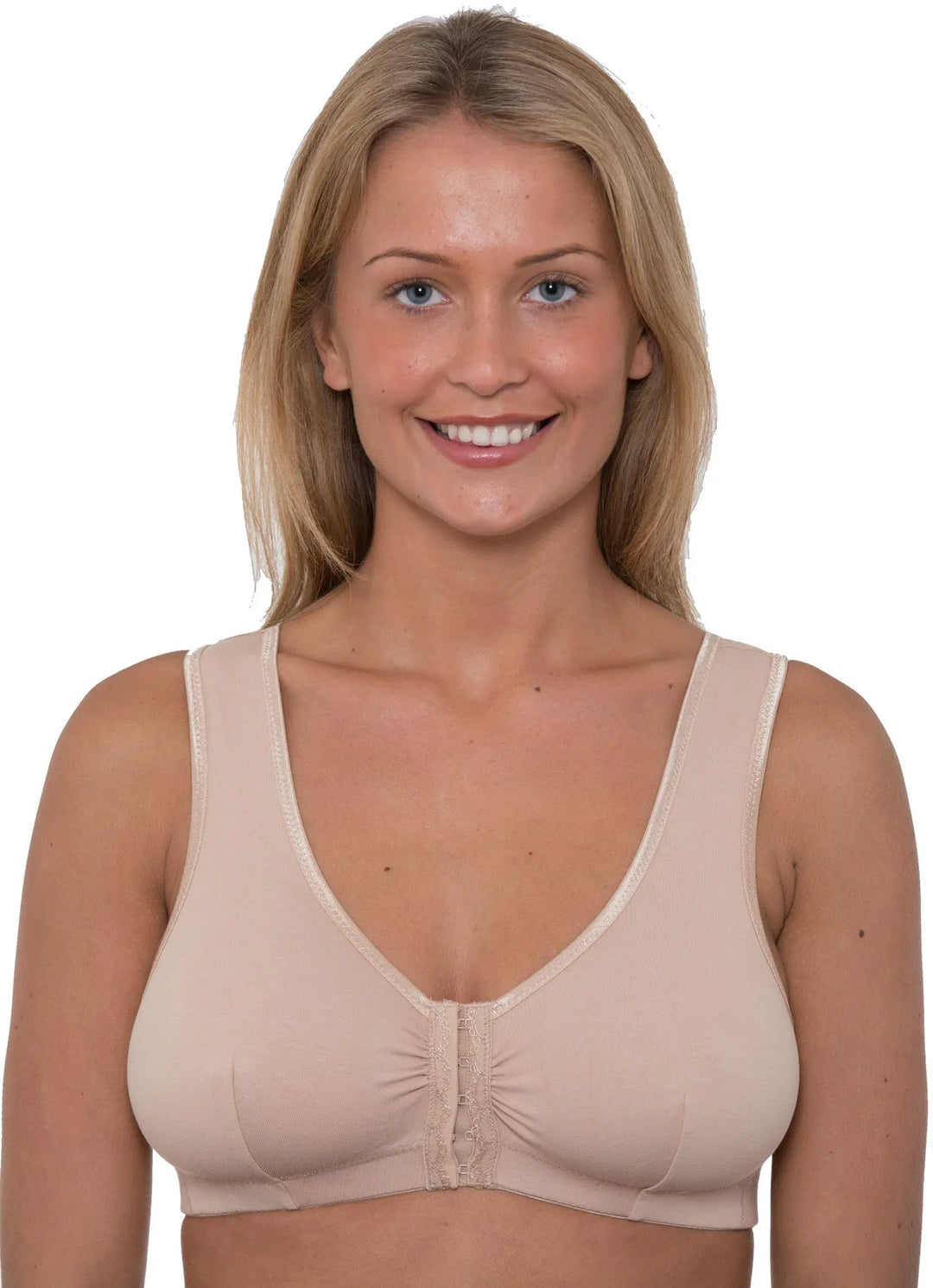
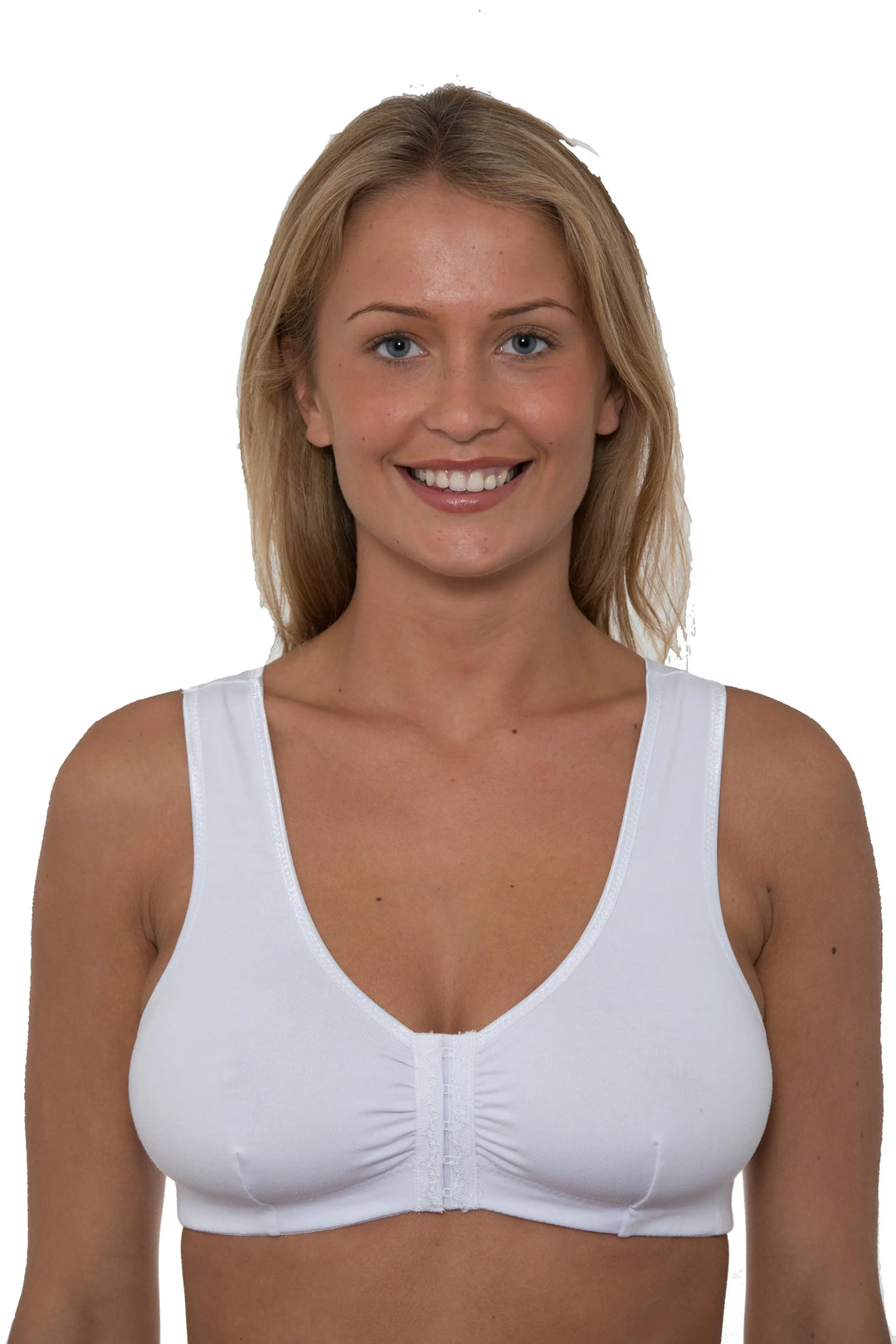
Sports bras can have various closure options, such as back hooks, front hooks, or no closure at all (pullover styles). Each offers its benefits, so it's vital to choose one that suits your comfort and ease of wear. A hook closure can provide adjustability, while pullover styles may offer a sleek look and minimal chafing.
Support Level
Sports bras come with varying support levels, classified as low, medium, or high-impact. Understanding your activity level will aid you in selecting the right support level. For instance, low-impact bras are suitable for yoga or walking, while high-impact bras are necessary for running or intense workouts. An underwired sports bra is excellent for women looking for high support, especially during high-impact activities.
The Fit: Finding Your Ideal Sports Bra Size
A well-fitted sports bra can make all the difference in comfort and performance. To find your ideal size, follow these steps:
- Measure your band size: Use a measuring tape around your ribcage, just underneath your bust. Make sure the tape is snug but not tight.
- Measure your bust size: Wrap the measuring tape around the fullest part of your bust. Ensure it is level and not too tight.
- Calculate your cup size: Subtract your band size from your bust size. Each inch will correspond to a cup size (e.g., 1 inch = A, 2 inches = B, etc.).
Once you have your size, remember that sizes can vary between brands. It’s essential to try on different styles and brands to see what suits your body best.
Specific Recommendations for Sports Activities
Different sports require different levels of support and design features. Here’s a quick overview of considerations based on activity type:
- Running: Look for a high-impact sports bra that offers maximum support, such as an underwired sports bra. Ensure it is made of moisture-wicking fabric and has secure straps to prevent slippage during your run.
- Yoga: A low to medium-support bra is usually sufficient. Look for a design that allows for a full range of motion without restricting movement, such as a racerback style.
- Cycling: Depending on your bust size, either a medium or high-support bra works well. Ensure it has a comfortable fit to avoid chafing during long rides.
- Aerobics/Dance: These activities demand a lot of movement, so opt for a high-impact sports bra to keep everything secured. Comfort and moisture-wicking properties are crucial here as well.
How to Care for Your Sports Bra
To maintain the longevity and effectiveness of your sports bras, following proper care instructions is essential. Here are some tips:
- Always read and follow the care label instructions.
- Hand-wash your sports bras whenever possible to prevent damage to the elastic and fabric.
- If machine washing, use a gentle cycle and a lingerie bag to protect the bra.
- Air dry your sports bras instead of putting them in the dryer to maintain their shape and elasticity.
The Future of Sports Bra Technology
As technology continually evolves, so does the design of sports bras. Innovations such as smart fabrics that adapt to temperature changes and advanced cushioning systems are already in development. The future holds exciting possibilities for sports bras, focusing on improved comfort, support, and style tailored to every woman's individual needs.
Step into Your Best Performance
The perfect sports bra is more than just an accessory; it’s an essential part of a woman’s activewear wardrobe. Understanding the science behind the design can help you make informed choices, boosting both comfort and performance. By prioritising fit, support, and specific features according to your chosen activities, you can experience a new level of satisfaction during your workouts. Embrace the science, and step into your best performance every time you put on your sports bra!
Linked Product

Gemm High Impact Underwired Sports Bra Black
The Gemm High Impact Underwired Sports Bra is designed for plus-size women seeking both comfort and support during various physical activities, such as gym workouts, yoga, and running. Its underwired construction and full coverage ensure a secure fit, minimizing breast movement for enhanced confidence. With wider straps and a thoughtful design, this sports bra offers an effective solution for those with larger busts looking to stay active.
View Product