
What to Wear After a Mastectomy: A Practical UK Guide
What to Wear After a Mastectomy: A Practical UK Guide
After a mastectomy, standing in front of your wardrobe can feel unexpectedly overwhelming. Everything you knew about getting dressed — how a bra should sit, which tops felt comfortable, what underwear worked with what outfit — has shifted. And for women with a larger bust or plus-size frame, the challenge is even greater: most post-mastectomy guidance assumes a small-to-average cup size, and the specialist options simply don't go high enough.
This guide is for you. Whether you've had a single or bilateral mastectomy, whether you're still in early recovery or settling into life months down the line, we'll walk through exactly what to wear — from the first days home from hospital to dressing with confidence for every occasion.
The First Two Weeks: What to Wear Straight After Surgery
In the immediate post-operative period, comfort and practicality are everything. Your chest will be sensitive, movement will be limited, and the last thing you need is to be wrestling with a traditional back-fastening bra.
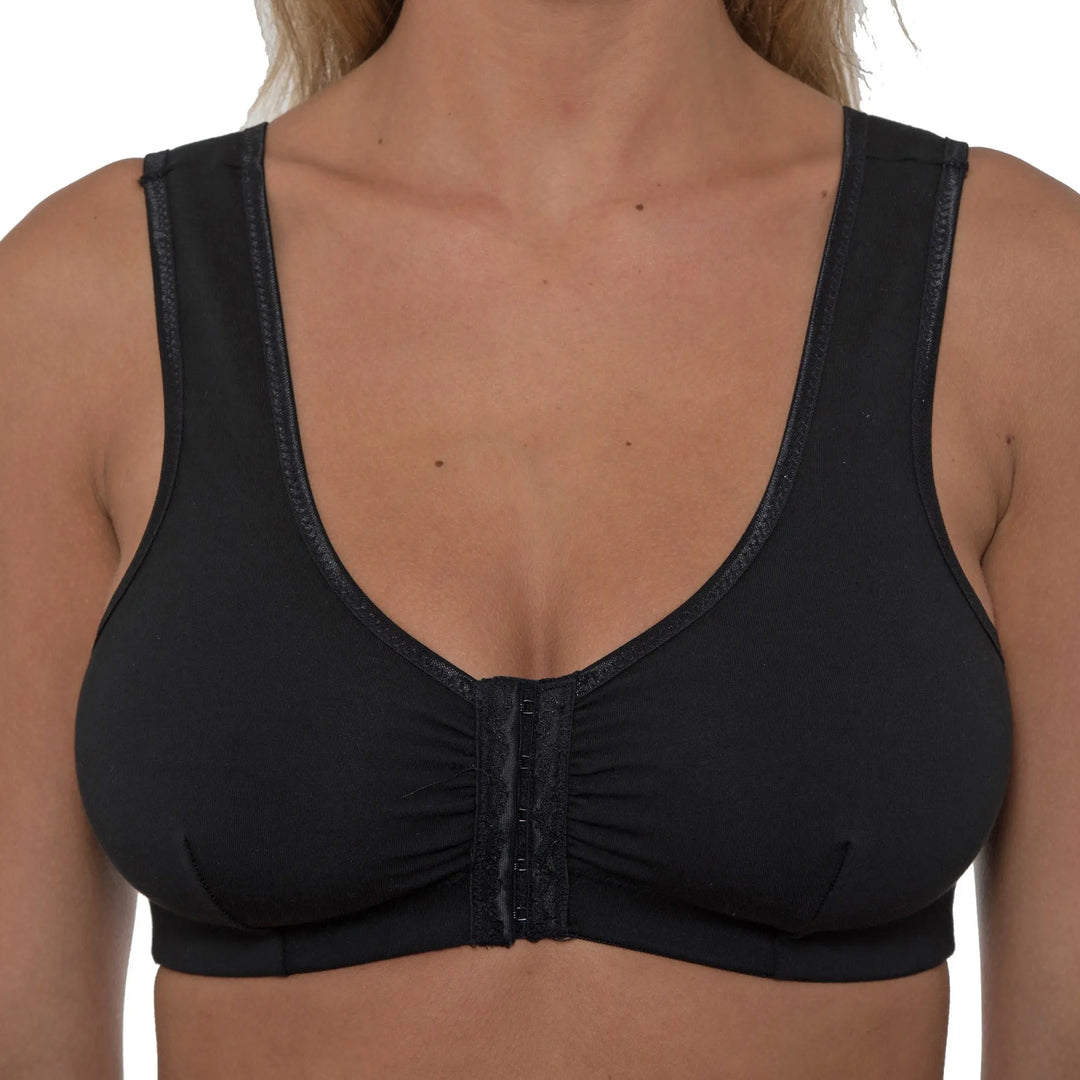
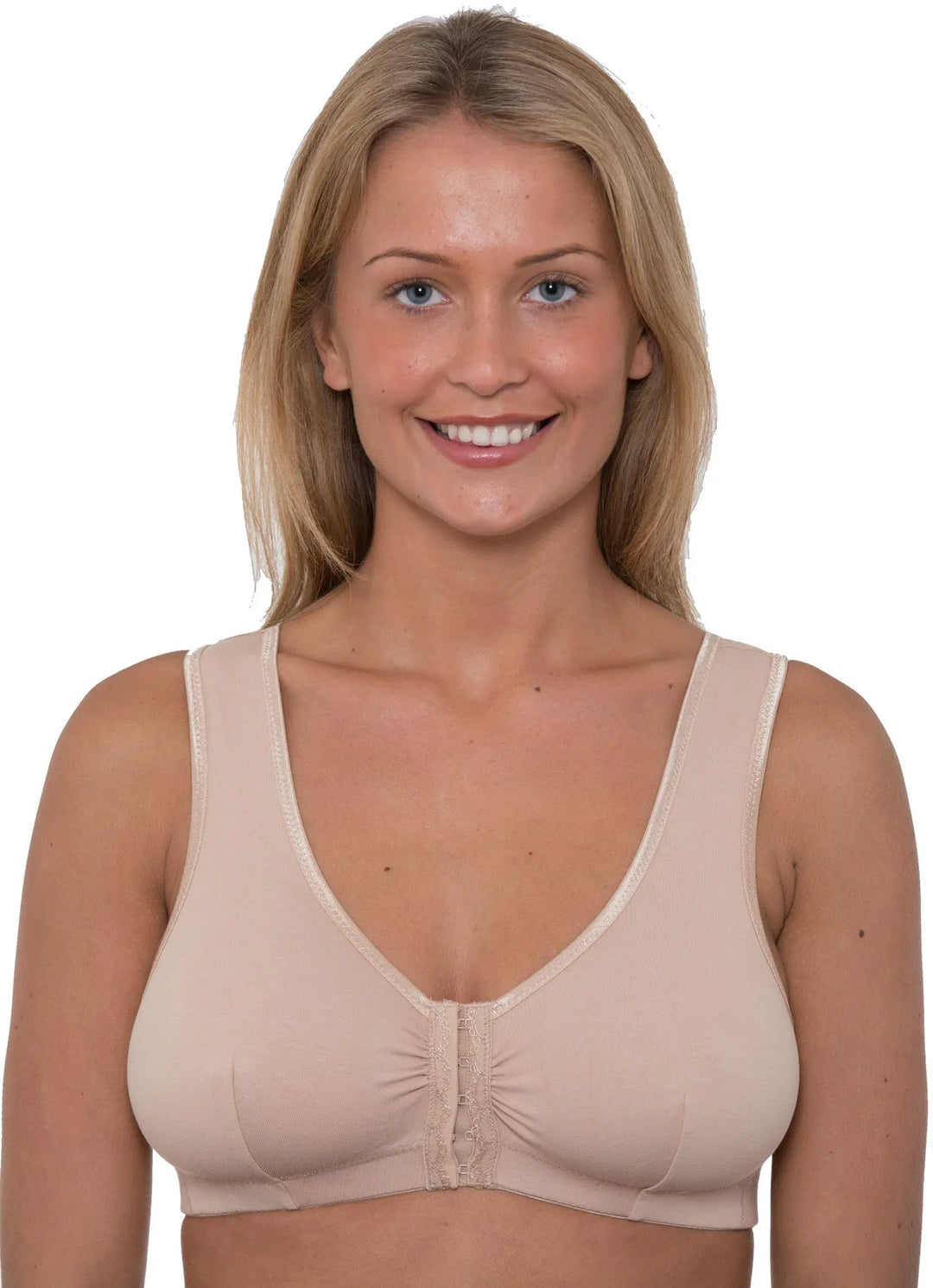
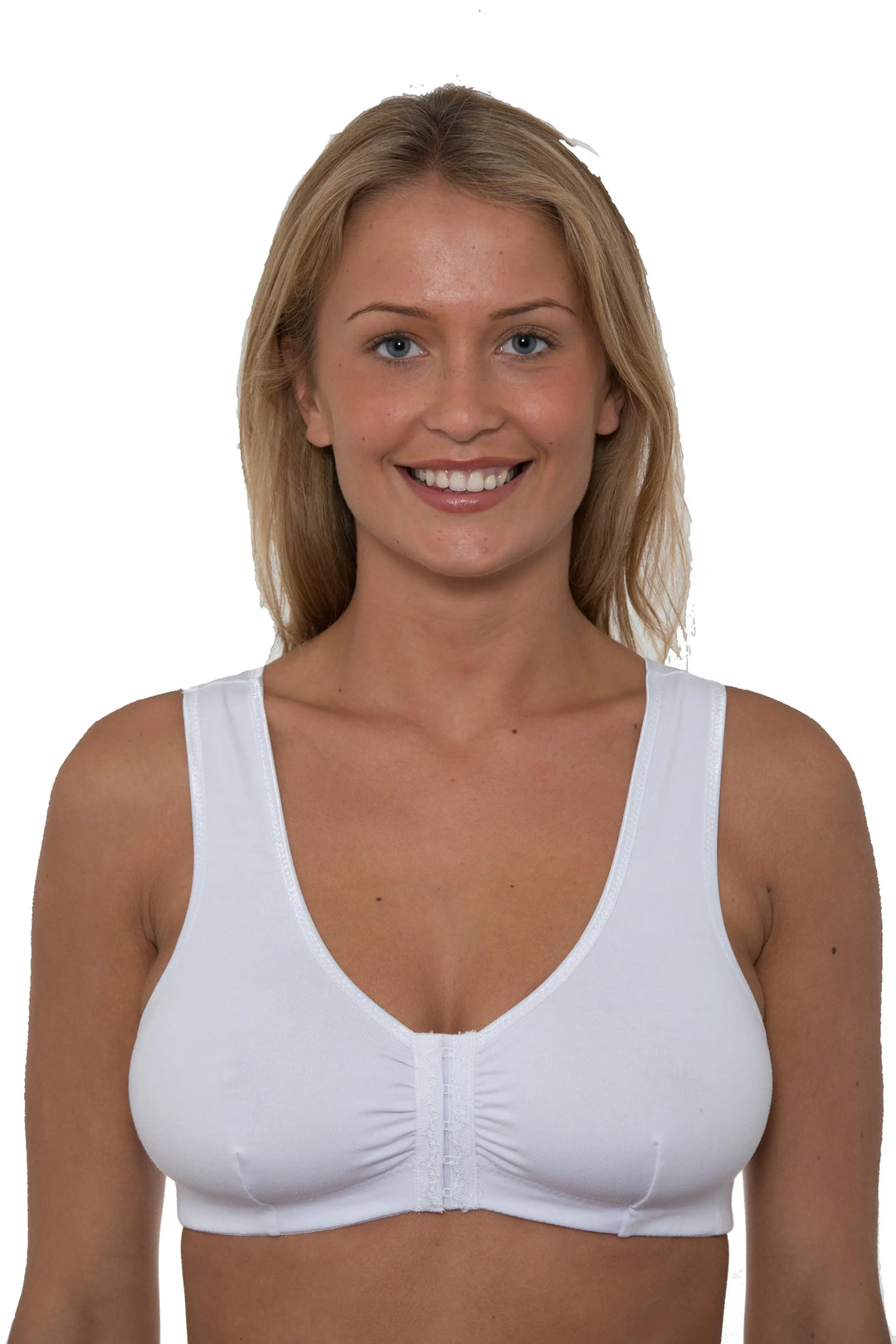
Look for a soft, non-wired post-surgery bra that fastens at the front. Velcro or hook-and-eye front closures mean you can dress and undress independently, even when shoulder or arm movement is restricted. Wide, adjustable padded straps distribute weight without digging in. If you have surgical drains in place, a bra or camisole with internal drain pockets keeps everything secure and discreet during those first weeks.
For clothing, soft jersey fabrics — cotton or modal — are your best friend. They don't irritate healing skin or scar tissue, and they stretch easily so you're not fighting to get dressed. Loose-fitting front-opening tops, zip-up hoodies and button-through shirts are all practical choices. Avoid anything you have to pull over your head while your range of motion is limited.
Key features to look for in those first weeks: front-opening fastening, wire-free soft cups, no seams or underwire pressing on your chest, wide adjustable straps, breathable cotton or modal fabric.
Moving Into Recovery: Finding Your Everyday Bra
Once your wounds have healed and your surgeon has given you the go-ahead, you'll start thinking about a longer-term bra solution. This is where many larger-cup women hit a wall — standard post-mastectomy bras from the high street often stop at an F or G cup, leaving anyone in a GG, H, J or above with very few options.
At Orchid Fashion Boutique, our mastectomy bras are sized by band only — up to a 48 — so there's no cup rating to work around. This means larger-busted women aren't excluded by a cup limit the way they often are elsewhere. Our mastectomy bra collection includes styles with soft bilateral pockets in both cups — designed to hold a breast form or partial prosthesis securely on one or both sides without shifting during the day.
What to look for in an everyday post-mastectomy bra:
- Bilateral pockets: pockets in both cups allow flexibility, whether you're wearing one prosthesis, two, or none at all
- Wire-free construction: avoids pressure on scar tissue and lymph nodes; recommended for at least 6–12 months post-surgery, and many women prefer to stay wire-free permanently
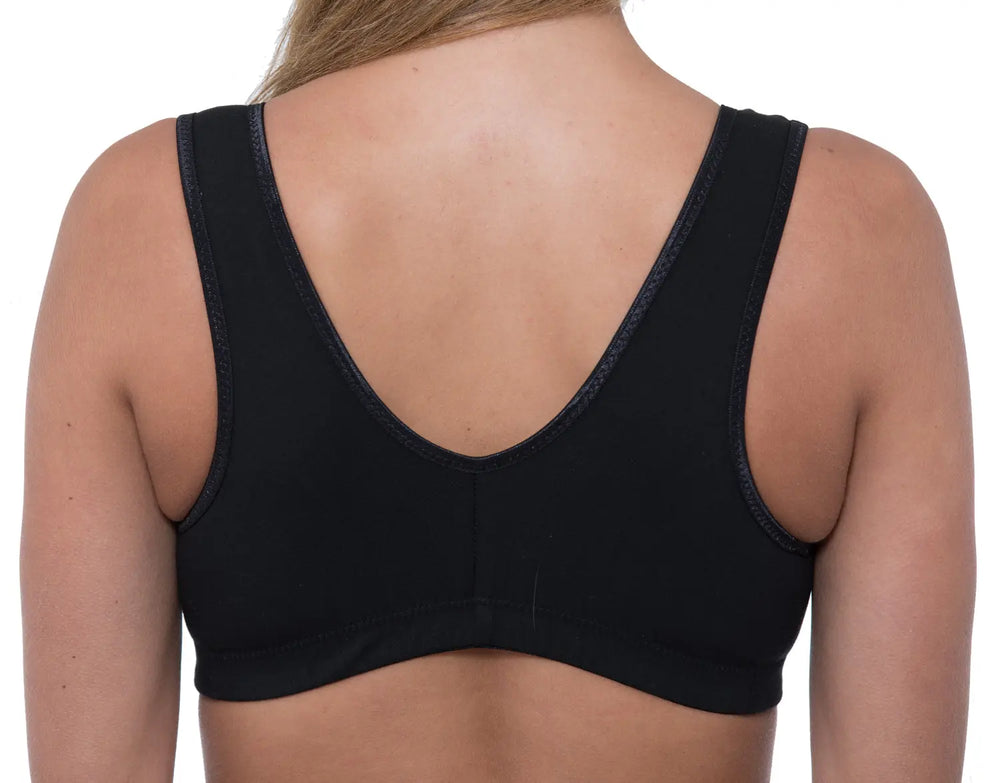
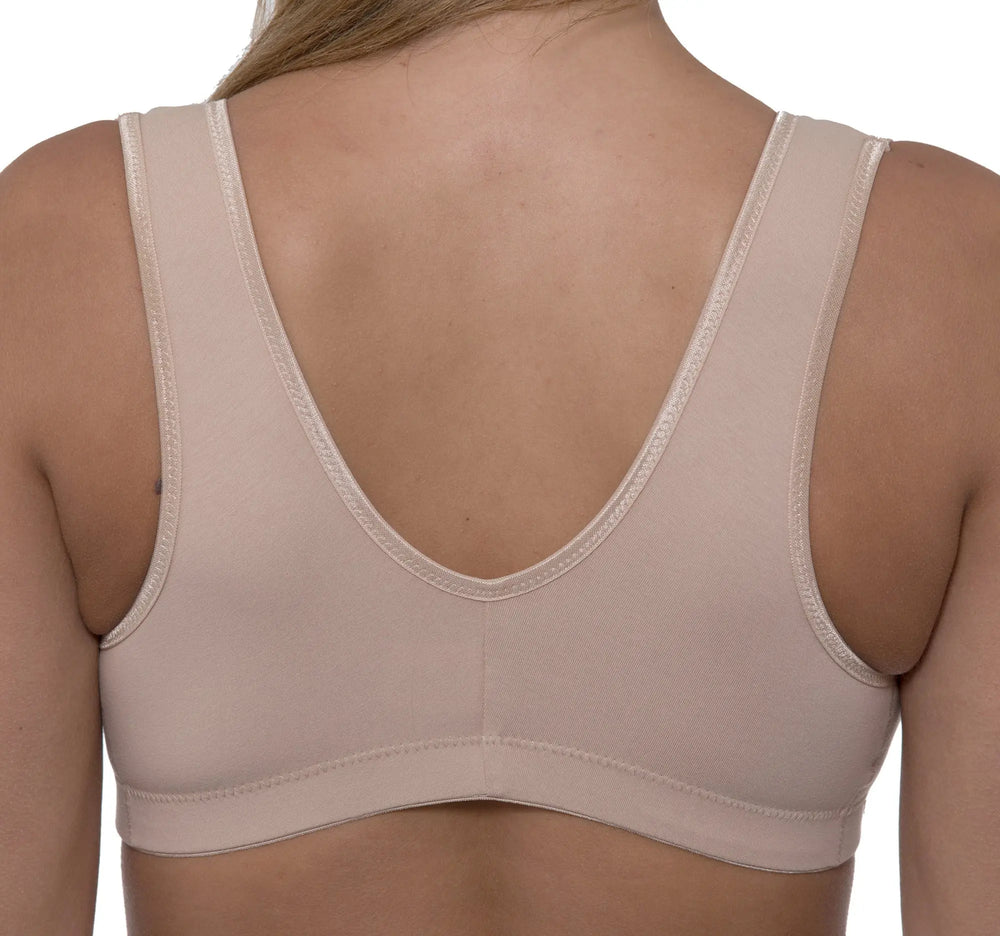
- Wide, padded straps: essential for a larger bust, to distribute weight without cutting into the shoulder
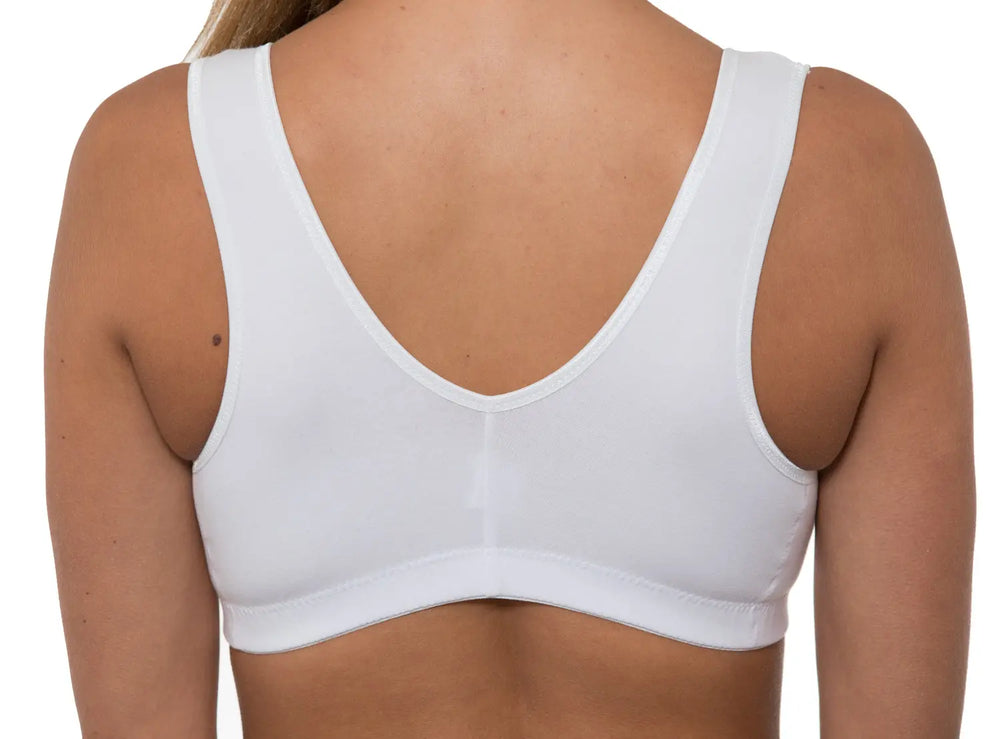
- Front or back fastening: both work once you're fully healed; front-fastening remains easier for many women, particularly if lymphoedema or limited shoulder mobility is a factor
- Full cup coverage: provides a smooth, symmetrical silhouette under clothes
It's worth getting professionally fitted for your first post-mastectomy bra, ideally by a fitter with experience in post-surgical lingerie. Your size may have changed — many women find they need to go up a band size, particularly if they've had reconstruction or are wearing a prosthesis for the first time.
Breast Forms and Prostheses: Do You Need One?
This is a deeply personal decision and there is absolutely no right answer. Some women choose to wear a breast form — also called a breast prosthesis — to restore their natural silhouette under clothes. Others prefer not to, and find great comfort in a pocketed bra worn without a form, or in going bra-free altogether.
If you do decide to try a breast form, there are two main options:
Silicone breast forms look and feel the most realistic. They're weighted, which creates a natural drape in clothing and helps balance the body. They do require a pocketed bra to sit correctly, and heavier forms can feel warm in summer. At larger cup sizes, the weight is more noticeable — some women find a lighter silicone form or a partial form more comfortable.
Soft breast forms (softies) are made from lightweight fibre-filled fabric. They're much lighter than silicone, cool to wear, and are often recommended in the early recovery period when the chest is still sensitive. They don't replicate the weight of natural breast tissue, but many women find them more comfortable for everyday use, particularly in warm weather or during gentle activity.
You can read our full comparison of soft and silicone breast forms in our guide here.
One practical note: if you've had a bilateral mastectomy, you'll want a bra with pockets on both sides, and you may find that wearing forms of equal weight helps with posture and back comfort over the course of the day.
Dressing with Confidence: Practical Tips
Fabrics and fit
Stick to fabrics with some natural give — jersey, modal, cotton stretch, bamboo. These move with your body, don't highlight asymmetry, and tend to feel more comfortable against skin that may still be sensitive or experiencing changes from radiotherapy. Avoid stiff structured fabrics that sit away from the body in unexpected ways.
Necklines
V-necks and wrap styles can be very flattering at larger bust sizes. If you're not wearing a breast form on some days, higher necklines and layered styles create a naturally full look. Loose draping and ruched fabric draw the eye and create texture rather than a flat silhouette.
Swimming and activewear
There are now some excellent mastectomy swimwear options available, including swimsuits with built-in pockets for prostheses. For those who want to return to exercise after surgery, a well-fitting sports bra is key — particularly for anyone with a larger bust, where inadequate support during movement can be painful. See our guide to sports bras for larger busts after breast surgery for more detail on what to look for when returning to exercise.
Layering
Lightweight camisoles under tops or dresses give an extra layer of coverage and confidence, particularly in the early months. Camisoles with built-in shelf bras or breast pockets are a useful wardrobe addition.
A Note on Large Cup Sizes
If you wore a G, H, GG, HH, J or JJ cup before your mastectomy, you'll know that finding the right bra has always taken more effort. Post-mastectomy, that challenge doesn't go away — most specialist mastectomy ranges stop at an F or G cup at best, which leaves many larger-bust women feeling overlooked.
At Orchid, our mastectomy bras sidestep that problem altogether: they're sized by band only, up to a 48, with no cup rating at all. That means there's no cup ceiling to run into — the band size and fit are what matter. Our guide to mastectomy bras for large cup sizes goes into more detail on what's available and how to get the best fit if your bust is at the larger end of the range.
Frequently Asked Questions
How soon after a mastectomy can I wear a regular bra?
Most surgeons recommend waiting until your wounds have fully healed and your drains have been removed before moving away from a soft post-operative bra — typically 4–6 weeks, though this varies. Your breast care nurse or surgeon will advise you based on your specific procedure and recovery. Once healed, a well-fitting wire-free mastectomy bra is usually the first step before considering underwired styles.
Do I need to wear a breast form all the time?
Not at all. Many women wear a breast form during the day and go without one at home. Others choose never to wear one. There's no medical requirement — it's entirely your choice, based on what makes you feel most comfortable and confident.
Will my bra size change after mastectomy?
It can. If you've had a single mastectomy without reconstruction and are wearing a prosthesis, your fit should remain similar once the form is in place, though your band size may need adjusting. If you've had reconstruction, a professional fitting is strongly recommended as reconstructed breast tissue behaves differently from natural tissue.
What should I look for in a post-mastectomy bra for a large bust?
For a larger bust, support from the band is especially important. Look for a firm, wide band with multiple hook-and-eye settings, wide padded shoulder straps, full cups that don't gap or overflow, and bilateral pockets that hold a prosthesis securely without shifting. Orchid's mastectomy bras are sized by band only, up to a 48, so there's no cup rating to navigate — see our mastectomy bra collection for current availability.
Can I get a mastectomy bra on the NHS?
You may be entitled to NHS-supplied mastectomy bras and breast prostheses through your breast care team or local appliance department. The range available on the NHS is typically limited, and waiting times can vary. Many women supplement their NHS provision with additional bras purchased privately.
At Orchid Fashion Boutique, we've been fitting larger-cup and plus-size women since 2011. We offer free UK delivery, discreet packaging, and a 30-day no-quibble returns policy, so you can try styles at home without pressure. Browse our mastectomy bra collection, or get in touch if you'd like personal guidance on sizing and style.


