
Soft Breast Form vs. Silicone: What’s the Difference?
In the weeks and months following breast surgery, your body undergoes an incredible transformation. As surgical swelling subsides, internal tissues knit back together, and incision lines mature into soft scar tissue, your physical needs shift dramatically.
Because your body is continuously adapting, a single prosthesis cannot fulfill every stage of your recovery. The secret to a comfortable, confident recovery lies in knowing when to utilize a lightweight fabric alternative and when to transition to a realistic silicone model.
The First Step: The Temporary Mastectomy Prosthesis
Immediately following your procedure, your surgical sites will be incredibly sensitive, highly reactive, and potentially accompanied by surgical drains or medical tape. During this initial six-to-eight-week healing phase, a heavy prosthetic is clinically unsuitable. This is where the temporary mastectomy prosthesis—often affectionately called a "softie"—comes into play.
-
Material and Weight: Soft forms are crafted from ultra-plush, breathable cotton or seamless microfiber shells stuffed with hypoallergenic medical-grade fibrefill. They are completely weightless and put zero pressure on fresh stitches.
-
Incision Protection: Because they are so soft, they act as a protective cushion against the interior pocket of your recovery bra, shielding tender tissue from external friction.
-
Thermal Comfort: In the early stages of healing, or if you are managing warm weather, fabric forms allow maximum airflow. They keep the skin micro-climate cool and completely dry, which is vital for preventing heat rashes or incision irritation.
The Long-Term Foundation: The Silicone Breast Form
Once your medical team gives you the official clearance—usually around two months post-op when internal tissues are fully stable—it is time to transition to a permanent silicone breast prosthesis.
-
The Biomechanical Weight: The most significant difference when comparing a soft breast form vs silicone is weight. Silicone is engineered to precisely replicate the weight, density, and natural movement of a real breast.
-
Spinal Alignment: Wearing a weightless fabric form indefinitely can cause your body to overcompensate for the missing mass on one side. Over time, this unilateral imbalance causes your natural shoulder to drop, throwing your spine out of alignment and leading to chronic neck and upper back pain. A silicone form restores perfect bilateral balance, anchoring your posture.
-
Natural Contour and Drape: Silicone matches your natural body temperature and responds to gravity just like real tissue. When you walk, move, or sit, a silicone form moves with you, providing an entirely seamless, natural drape under t-shirts, blouses, and dresses.
Side-by-Side: Soft Fabric vs. Weighted Silicone
| Feature | Temporary Fabric Softie | Medical-Grade Silicone Form |
| Primary Material | Hypoallergenic fiberfill & cotton/microfiber. | Formulated cohesive silicone gel with a matte film. |
| Weight Profile | Weightless; purely cosmetic volume. | Calibrated to match natural tissue density. |
| Ideal Recovery Phase | Weeks 1 to 8 post-surgery; during radiotherapy. | Long-term wear (from week 8 onward for life). |
| Postural Benefit | Low; provides visual shape but no skeletal balance. | High; stabilizes the shoulders and protects the spine. |
| Maintenance | Easily machine washable in a delicate cycle. | Requires a gentle daily hand wash with clear soap. |
A Smart Wardrobe Strategy: Why You Need Both
Transitioning to a permanent silicone prosthesis does not mean you should throw your temporary form away. In fact, an expert post-surgery wardrobe relies on both styles co-existing to provide round-the-clock comfort:
-
The Daytime Standard (Silicone): Use your weighted silicone form inside your everyday pocketed bras for running errands, working, and long periods of standing to keep your posture straight and your clothing line symmetric.
-
The Sleep Sanctuary (Softie): Sleeping with a heavy silicone form is uncomfortable and can pull on your skin when you roll onto your side. Instead, slide your breathable fabric softie into a specialized wireless sleep bra for gentle, weightless shape and alignment overnight.
-
The Leisure Alternative: On intensely hot summer afternoons or active days spent lounging around the house, swapping your dense silicone for a lightweight fabric form gives your chest wall a comfortable break from heat retention.
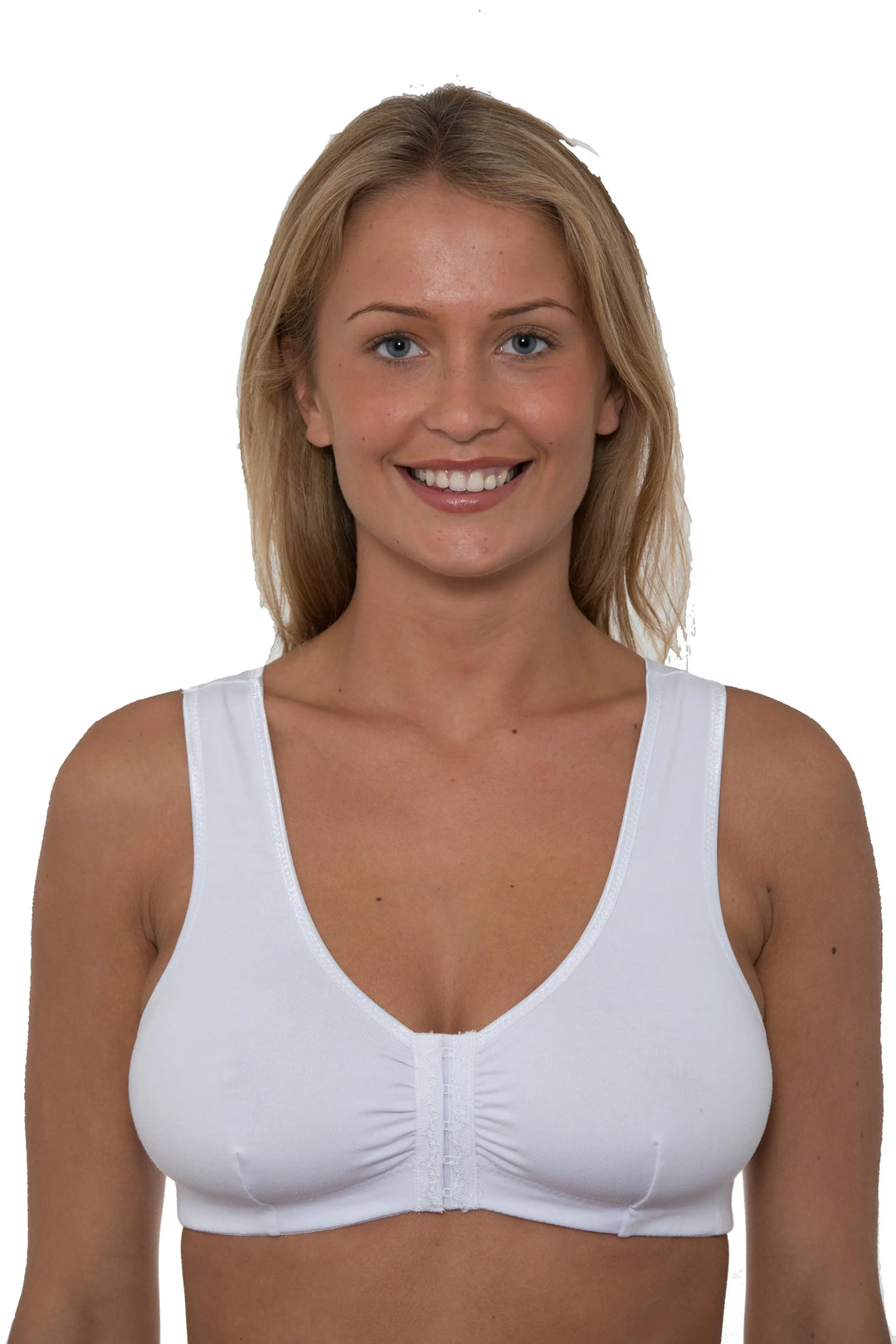
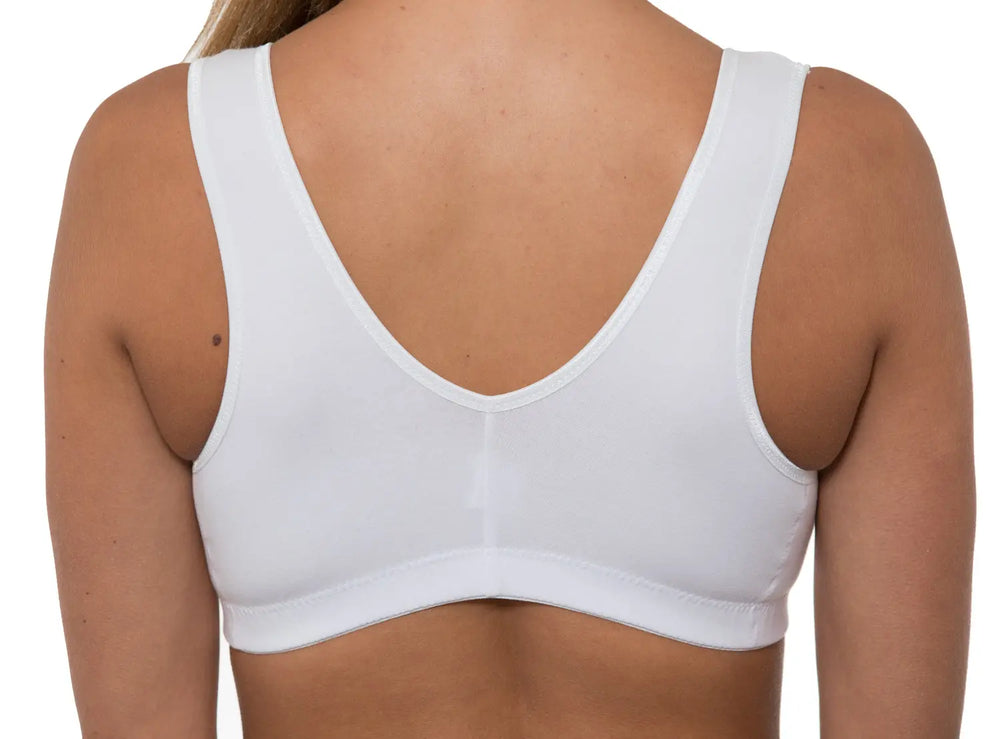
Expert Fitting Tip: When moving from a lightweight temporary form to a weighted silicone model, your bra band must carry the load. Ensure your pocketed lingerie features a wide, snug underband. A loose band will allow the weight of the silicone to pull the bra forward, causing the back hooks to ride up your spine and making the straps dig into your shoulders.
Listen to Your Body
Every recovery journey is completely unique. By utilizing the weightless protection of a temporary prosthesis during early healing and embracing the postural health benefits of a silicone form for daily life, you can effortlessly balance clinical care with long-term body confidence.
Unsure which size you need? Silicone forms are sized differently than bras. Check out our Prosthesis Sizing Guide to find your perfect fit.
Explore Our Full Collection of Pocketed Bras and Post-Surgery Prostheses


